Shopping Basket Icons for Streamlined Design Workflows
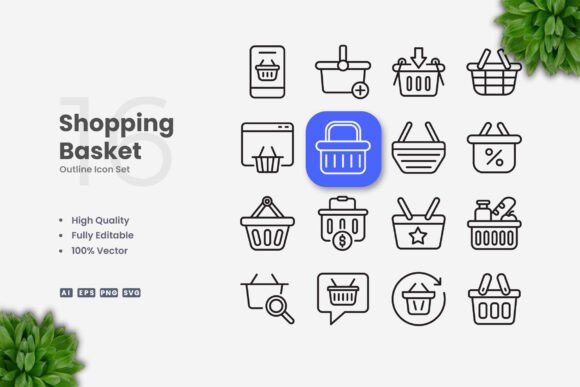
Shopping basket icons are essential visual elements that enhance user experience across a wide range of digital and physical media. Whether you're designing a website, mobile app, social media post, or print material, these icons serve as intuitive representations of a shopping cart, helping users quickly understand functionality and navigate interfaces. Their simplicity and clarity make them ideal for integration into various design projects, offering both aesthetic appeal and practical utility.
These icons are part of a broader design process that involves planning, execution, and refinement. They fit naturally into workflows where visual communication is key, such as e-commerce platforms, marketing campaigns, or educational materials. By using high-quality, customizable icons, designers can maintain consistency while adapting to different contexts and requirements.
Understanding the Role of Shopping Basket Icons in Design
Shopping basket icons are more than just decorative elements; they play a critical role in guiding user interactions. In a digital environment, they signal the presence of a shopping cart, allowing users to track their selections and proceed to checkout. In print or offline materials, they can represent a collection of items, making complex information easier to digest.
These icons are particularly useful during the early stages of a project when establishing visual language and user interface components. They help set the tone for the overall design and ensure that all elements align with the intended message and purpose. Whether you're working on a new product launch, a branding initiative, or a content strategy, integrating shopping basket icons can streamline your creative process and improve the end result.
Key Features of High-Quality Shopping Basket Icons
The shopping basket icon collection offers several features that make it a valuable asset for designers and developers. Each icon is crafted with precision, ensuring clarity and scalability across different sizes and resolutions. The vector format guarantees crisp visuals at any scale, making it suitable for both digital and print applications.
- High Quality Design: Each icon is meticulously designed to maintain visual integrity across multiple platforms and formats.
- 100% Vector: Vector-based files allow for seamless resizing without loss of quality, making them ideal for responsive web design and multi-platform use.
- 100% Customizable: Users can modify colors, stroke weights, and other attributes to match brand guidelines or specific project needs.
- Editable Stroke: Adjusting stroke thickness provides flexibility in achieving the desired visual style.
- Easy Drag and Drop: Files are organized for quick access and integration into design software.
Additionally, the collection includes source files in Adobe Illustrator (AI), EPS Version 10, SVG, and PNG formats with transparency. A README.txt file provides instructions for setup and usage, ensuring a smooth workflow from start to finish.
Integrating Shopping Basket Icons into Your Workflow
Before starting a project, consider how shopping basket icons will contribute to the overall design. Are they needed for a specific feature, such as a checkout page or a product catalog? Identifying their purpose early helps determine the appropriate style, size, and placement. This preparation ensures that the icons align with the project's goals and user expectations.
During the design phase, these icons can be used alongside other UI elements, such as buttons, menus, and navigation bars. They should be consistent with the rest of the visual system, maintaining a cohesive look and feel. For example, if your design uses a minimalist approach, a simple and clean shopping basket icon would complement the overall aesthetic.
After the initial design is complete, testing the icons in real-world scenarios is crucial. Ensure that they are easily recognizable and functional across different devices and screen sizes. If adjustments are needed, the editable nature of the vector files allows for quick modifications without compromising quality.
Practical Use Cases and Examples
Shopping basket icons are versatile and can be applied in numerous ways. For instance, in an e-commerce platform, they help users identify the shopping cart section, improving usability and reducing confusion. In a mobile app, they can indicate a selection or saved items, enhancing the user experience.
In social media content, these icons can be used to highlight promotions or special offers. When designing infographics or flyers, they provide a clear visual cue for a collection of items, making complex data more accessible. For print materials, such as banners or posters, they add a professional touch while maintaining readability.
Consider a scenario where a small business owner is launching an online store. They may need to incorporate shopping basket icons into their website's layout. By selecting a customizable icon set, they can adjust the color scheme to match their brand identity and ensure that the icons are visible and easy to use on all devices.
Collaboration and Compatibility
When working with a team, sharing shopping basket icons requires compatibility with the tools your collaborators use. The availability of multiple file formats ensures that everyone can access and edit the icons regardless of their preferred software. This compatibility promotes smoother collaboration and reduces delays caused by file incompatibility.
For designers using Adobe Illustrator or CorelDRAW, the AI and EPS files provide full control over every aspect of the icon. Developers working with web technologies can utilize the SVG and PNG files for seamless integration into websites and applications. This flexibility makes the icon set adaptable to a wide range of workflows and technical requirements.
Long-Term Use and Maintenance
Investing in a high-quality shopping basket icon set ensures long-term value. As your design needs evolve, you can revisit and refine the icons to keep them aligned with current trends and standards. Regular updates or customizations can help maintain relevance and effectiveness over time.
Maintaining consistency is also important. If you plan to use the same icons across multiple projects, establish a standard for color, size, and style. This approach prevents inconsistencies and ensures that the icons remain a reliable part of your design system.
Finally, document any changes or customizations made to the icons. This documentation can serve as a reference for future projects, helping you maintain a clear understanding of how the icons were adapted and why certain decisions were made.