Ribbon Bow Icons: A Modern Touch for Clean and Versatile Design
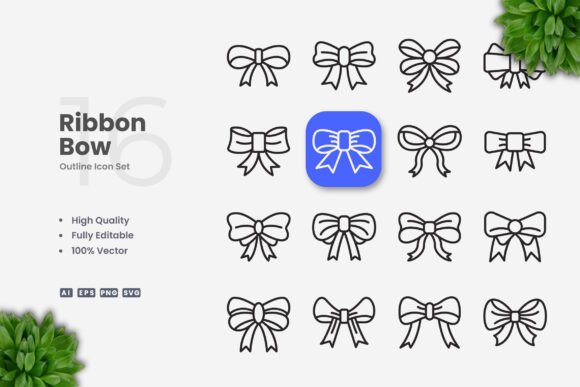
In the world of visual design, simplicity often holds the most power. Ribbon Bow Icons are a prime example of this principle, offering a minimalist yet elegant approach to iconography that aligns with current design trends. These icons are not just decorative elements; they serve as functional tools that enhance user experience across various platforms. From websites to mobile apps, from social media to print materials, ribbon bow icons bring a touch of sophistication that is both appealing and adaptable.
The Rise of Minimalist Iconography
Minimalism has become a dominant force in design, influencing everything from web interfaces to branding strategies. The shift towards clean, uncluttered visuals reflects a broader cultural movement toward clarity and efficiency. In this context, ribbon bow icons stand out as a symbol of this trend. Their simple shapes and subtle details make them easy to recognize while maintaining a sense of refinement. This balance between simplicity and elegance makes them ideal for a wide range of applications.
Designers and developers are increasingly prioritizing icons that can be easily scaled and customized without losing quality. Ribbon bow icons meet these demands by being 100% vector-based, ensuring sharpness at any size. Whether used as a decorative element on a website or as part of a mobile app’s navigation system, these icons maintain their integrity and visual appeal.
Why Ribbon Bow Icons Matter in Modern Design
The relevance of ribbon bow icons extends beyond aesthetics. They play a crucial role in enhancing user interaction and communication. In digital environments, where attention spans are short and competition is fierce, clear and visually pleasing icons can make a significant difference. A well-designed ribbon bow icon can guide users through a website, highlight key features in an app, or add a finishing touch to a marketing campaign.
Moreover, the versatility of these icons allows them to fit into diverse design ecosystems. For instance, a ribbon bow icon can be adapted for use in a book’s cover, a social media post, or a poster. This adaptability ensures that designers can maintain a consistent visual language across multiple platforms, reinforcing brand identity and user recognition.
Key Features That Make Ribbon Bow Icons Stand Out
What sets ribbon bow icons apart is their combination of high-quality design and practical functionality. Each icon is crafted with precision, ensuring that every curve and line contributes to its overall aesthetic. The 100% vector format guarantees scalability, making it easy to adjust sizes without compromising quality. This feature is particularly valuable for designers who need to create assets for different screen resolutions and print formats.
Customization is another major advantage. With 100 customizable options, users can modify colors, stroke weights, and other attributes to match their specific needs. This level of flexibility allows for seamless integration into existing design systems, whether for a corporate website or a personal project. Additionally, the editable stroke feature enables fine-tuning of details, ensuring that each icon aligns perfectly with the intended design vision.
The inclusion of multiple file formats further enhances the usability of ribbon bow icons. Source files in Adobe Illustrator (Ai) and EPS Version 10 provide advanced editing capabilities, while SVG and PNG files offer compatibility with a wide range of software and platforms. The PNG transparency option ensures that icons can be seamlessly integrated into backgrounds without unwanted edges or borders.
Practical Applications Across Industries
Ribbon bow icons have found applications in numerous industries, demonstrating their broad appeal and utility. In the digital space, they are commonly used in web design to denote links, buttons, and interactive elements. Their clean lines and soft curves make them ideal for creating intuitive user interfaces that are both functional and visually pleasing.
In print media, such as flyers, banners, and posters, ribbon bow icons add a touch of elegance that can elevate the overall design. Their ability to scale without losing quality means they can be used in both small and large formats, ensuring consistency across different materials. For businesses looking to create a cohesive brand image, these icons provide a reliable and versatile solution.
For educators and content creators, ribbon bow icons can be used in infographics, presentations, and educational materials. Their simplicity makes them easy to understand, while their aesthetic appeal helps to engage audiences. Whether used to illustrate concepts in a textbook or to enhance a blog post, these icons contribute to a more engaging and professional look.
How to Get the Most Out of Ribbon Bow Icons
To fully leverage the potential of ribbon bow icons, it’s essential to understand how to work with them effectively. The included Readme.txt file provides detailed instructions on how to access and use the different file formats. This documentation ensures that even users with limited design experience can navigate the resources with ease.
When working with vector software like Adobe Illustrator or CorelDRAW, users can take advantage of the editable stroke feature to adjust the thickness and style of the icons. This level of control allows for greater creative freedom, enabling designers to tailor the icons to their specific projects. Drag-and-drop functionality also simplifies the process of incorporating these icons into existing designs, saving time and effort.
For those new to vector design, the availability of multiple file formats offers a flexible starting point. SVG files are ideal for web use, while PNG files with transparent backgrounds are perfect for graphic design projects. By understanding the strengths of each format, users can choose the best option for their needs, ensuring optimal results.
Looking Ahead: The Future of Simple and Clean Icon Design
As design continues to evolve, the demand for clean and functional icons is likely to grow. The increasing focus on user experience and accessibility means that simplicity will remain a key priority in visual design. Ribbon bow icons are well-positioned to meet these changing expectations, offering a timeless and adaptable solution for modern design challenges.
For professionals and creators, the value of these icons lies in their ability to enhance visual communication without overwhelming the viewer. As more businesses and individuals seek to create visually compelling content, the importance of high-quality, customizable icons will only continue to rise. Ribbon bow icons provide a reliable and effective way to achieve this goal, making them a valuable addition to any design toolkit.