Hajj Icons: Essential Design Elements for Every Project
When it comes to visual communication, especially in contexts like religious events, travel, or cultural representation, the right icons can make all the difference. Hajj Icons are a powerful tool for designers and creators looking to convey meaning clearly and effectively across various platforms. Whether you're working on a website, mobile app, social media post, or printed material, these icons offer a simple yet impactful way to enhance your design.
What Are Hajj Icons?
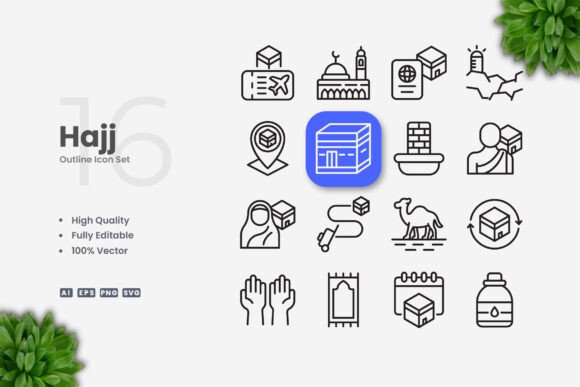
Hajj Icons are a collection of high-quality, vector-based graphics specifically designed to represent elements related to the Hajj pilgrimage. These icons often depict symbols such as the Kaaba, pilgrims, prayer, and other significant imagery associated with this sacred journey. Their clean and minimalist style makes them ideal for use in a wide range of applications, from digital interfaces to print materials.
Designed with simplicity in mind, Hajj Icons ensure that the message is clear without unnecessary complexity. This makes them perfect for audiences of all backgrounds, including those who may not be familiar with the deeper cultural or religious significance of the symbols.
Why Choose Hajj Icons?
There are several reasons why Hajj Icons stand out as a valuable resource for designers. First, their high-quality design ensures that they look sharp and professional at any size. Whether you’re using them on a small mobile screen or a large banner, the clarity remains intact.
Another key advantage is their 100% vector format. This means you can resize them without losing quality, making them versatile for different projects. Additionally, the ability to customize colors, stroke weights, and other details gives you full control over how the icons appear in your work.
Common Mistakes When Using Hajj Icons
Despite their benefits, some users may overlook important details when working with Hajj Icons, leading to suboptimal results. One common mistake is not checking the licensing terms before using the icons. Some icon sets may have restrictions on commercial use, which could lead to legal issues if not addressed upfront.
Another frequent error is failing to consider the context in which the icons will be used. For example, an icon that works well in a digital interface might not translate as effectively to a printed flyer. It’s essential to test the icons in the actual environment where they’ll be displayed.
How to Avoid Common Pitfalls
To avoid these mistakes, start by thoroughly reviewing the license agreement provided with the Hajj Icons set. Ensure that the icons are suitable for your intended use, whether it's personal, commercial, or educational. If you're unsure, reach out to the provider for clarification.
Before finalizing your design, test the icons in the specific format you plan to use. For instance, if you're designing a mobile app, view the icons on different screen sizes to ensure they remain legible and visually appealing. Similarly, if you're creating a poster, check how the icons look when printed at scale.
Key Features of Hajj Icons
The features of Hajj Icons are designed to meet the needs of both beginners and professionals. Each icon is 100% editable, allowing you to adjust stroke weight, color, and other attributes to match your project's requirements. This level of customization ensures that the icons can be adapted to fit a wide range of design styles and branding guidelines.
In addition to the vector files, the set includes multiple file formats such as AI, EPS, SVG, and PNG. This versatility makes it easy to integrate the icons into different design workflows, whether you're using Adobe Illustrator, CorelDRAW, or other graphic design software.
What to Check Before Using Hajj Icons
Before downloading or purchasing Hajj Icons, take the time to review what’s included in the package. Look for details such as the number of icons, file types, and any additional resources like a Readme.txt file. These documents often contain important information about usage rights, technical specifications, and installation instructions.
Also, consider the source of the icons. Reputable providers typically offer high-quality, well-documented icon sets that are easy to work with. Avoid downloading icons from unverified sources, as they may lack proper licensing or contain low-resolution files that won’t meet your project’s standards.
Best Practices for Using Hajj Icons
To get the most out of Hajj Icons, follow a few best practices. Start by organizing your icons in a way that makes them easy to access and apply. This could involve creating separate folders for different categories, such as transportation, rituals, and landmarks.
When applying the icons to your design, keep the layout clean and uncluttered. Overloading a design with too many icons can make it difficult to read and understand. Instead, use them strategically to highlight key elements and guide the viewer’s attention.
Realistic Examples of Effective Use
Consider a scenario where a travel website uses Hajj Icons to illustrate different aspects of the pilgrimage. By incorporating icons for the Kaaba, prayer, and journey, the site can quickly communicate complex ideas in a visually engaging way. This not only improves user experience but also enhances the overall aesthetic of the website.
Another example is a mobile app designed to help travelers prepare for Hajj. Using Hajj Icons to represent different stages of the journey, such as arrival, rituals, and departure, can make the app more intuitive and user-friendly. The icons provide a visual cue that helps users navigate the app with ease.
Conclusion
Hajj Icons are a valuable resource for anyone looking to enhance their design work with meaningful and visually appealing graphics. By understanding the features, avoiding common mistakes, and following best practices, you can ensure that these icons serve their purpose effectively in any project. Whether you're a beginner or an experienced designer, Hajj Icons offer a practical solution for conveying important messages through simple, clean design.